
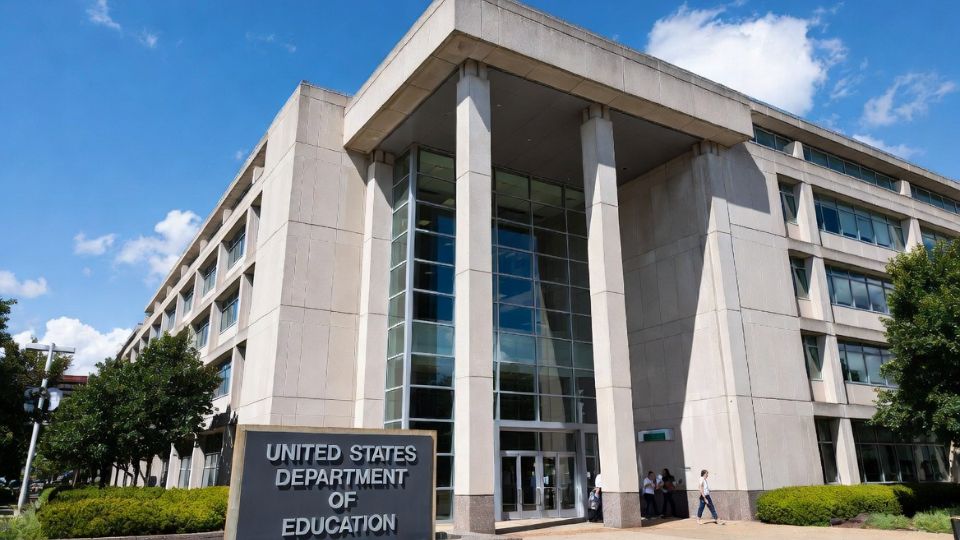
In a fast-paced world where education shapes futures, many Americans struggle to understand how the federal government fits into the picture. The U.S. Department of Education often seems like a distant bureaucracy, leaving parents, students, and educators confused about its true impact. This comprehensive guide demystifies the department of education, explaining its history, roles, programs, and current landscape to help you access resources and make informed decisions.
What Is the U.S. Department of Education?
The U.S. Department of Education is a cabinet-level agency focused on enhancing educational opportunities nationwide. It doesn’t run schools directly but supports them through funding and policies.
Established to streamline federal efforts in education, it plays a vital role in ensuring equity and excellence.
A Brief History of the Department
The roots of the department of education trace back to 1867, when President Andrew Johnson created a short-lived agency amid fears of federal overreach. It evolved into the Office of Education under various departments.
In 1979, President Jimmy Carter signed the Department of Education Organization Act, splitting it from the Department of Health, Education, and Welfare. Operations began in 1980, marking a dedicated focus on education at the federal level.
Mission and Core Objectives
The mission is clear: promote student achievement and global competitiveness by fostering excellence and equal access. Key goals include distributing financial aid, collecting school data, and enforcing anti-discrimination laws.
This ensures every student, regardless of background, has a fair shot at success.
Key Roles and Responsibilities
The department of education handles federal aspects of learning without controlling local curricula. Its main duties revolve around support and oversight.
It administers billions in aid while monitoring compliance to protect vulnerable groups.
Administering Federal Financial Aid
A core function is managing student loans, grants, and work-study programs. This helps millions afford higher education.
In 2025, it oversees about $1.7 trillion in student debt, emphasizing responsible lending and repayment options.
Data Collection and Research
The department gathers statistics on schools through entities like the National Center for Education Statistics (NCES). This research informs policies and highlights trends.
Educators and policymakers rely on these insights to improve outcomes.
Enforcing Civil Rights in Education
Through the Office for Civil Rights (OCR), it investigates discrimination based on race, gender, or disability. This ensures inclusive environments.
Recent efforts include addressing equity in higher education grants.
Focusing on Key Educational Issues
The department of education spotlights reforms, from early childhood to adult education. It collaborates on homelessness support for youth.
This holistic approach addresses societal challenges tied to learning.
Major Programs and Initiatives
The department of education runs several flagship programs that impact millions. These target specific needs, from K-12 to postsecondary.
Understanding them can unlock opportunities for funding and support.
Title I Grants for Disadvantaged Students
Title I provides funds to schools with high poverty rates. It aims to close achievement gaps.
Over the years, it has evolved from the 1965 Elementary and Secondary Education Act to modern frameworks like the Every Student Succeeds Act (2015).
Individuals with Disabilities Education Act (IDEA)
IDEA ensures special education services for children with disabilities. Federal grants help states implement individualized plans.
This program supports inclusive classrooms and lifelong skills.
Pell Grants and Federal Student Aid
Pell Grants offer need-based aid for low-income undergraduates. The Office of Federal Student Aid (FSA) manages applications via FAFSA.
In recent updates, wage garnishment resumed for defaulted loans in 2025.
Other Notable Initiatives
- Race to the Top: A competitive grant program from 2009 encouraging state reforms.
- Career and Technical Education: Prepares students for jobs through vocational training.
- Early Childhood Programs: Supports Head Start integration for young learners.
These initiatives adapt to changing needs, like technology in education.
Federal vs. State Education Responsibilities: A Comparison
Education in the U.S. is a shared duty, with the federal department of education providing oversight while states handle day-to-day operations. Here’s a clear comparison:
| Aspect | Federal Department of Education | State Education Departments |
|---|---|---|
| Curriculum Setting | Does not set standards; offers guidelines like Common Core support | Develops and enforces local curricula |
| Funding | Provides about 8-10% of K-12 funding through grants | Supplies majority (around 90%) via taxes and budgets |
| Testing & Accountability | Monitors via laws like ESSA; funds national assessments | Administers state tests and reports progress |
| Teacher Certification | No direct role; focuses on national incentives | Licenses teachers and sets qualifications |
| Civil Rights Enforcement | Handles federal complaints and investigations | Implements state-level anti-discrimination policies |
| Higher Education Aid | Manages federal loans and grants | Oversees state universities and scholarships |
This table highlights the collaborative nature, ensuring localized control with federal equity.
Pros and Cons of the U.S. Department of Education’s Involvement
While the department of education brings valuable resources, its role sparks debate. Here’s a balanced look:
Pros:
- Equity Promotion: Ensures funding reaches underserved areas, reducing disparities.
- National Standards: Provides data and research for consistent improvements across states.
- Financial Access: Enables higher education for millions through aid programs.
- Civil Rights Protection: Safeguards against discrimination, fostering inclusive schools.
Cons:
- Bureaucratic Overhead: Complex processes can delay aid and increase administrative burdens.
- Limited Control: Critics argue it oversteps, infringing on state autonomy.
- Budget Concerns: High spending (over $238 billion in 2024) raises questions about efficiency.
- Political Shifts: Recent efforts to downsize, like 2025 layoffs, create uncertainty for programs.
Weighing these helps appreciate its nuanced impact.
Current Challenges and Future Outlook
The department of education faces significant hurdles in 2025. Under Secretary Linda McMahon, appointed in March, there’s a push to decentralize operations.
Executive orders aim to transfer duties, like student loans to the Small Business Administration. Workforce reductions from 4,200 to about 2,100 target offices like Federal Student Aid.
Despite legal battles, including a Supreme Court ruling allowing layoffs, public opposition remains strong. Educators worry about effects on low-income students.
Looking ahead, the department’s future depends on congressional action. Potential privatization aligns with initiatives like Project 2025, but polls show most Americans value its role.
Staying informed is key as policies evolve.
Conclusion
The U.S. Department of Education serves as a cornerstone for federal support in learning, from funding programs to enforcing rights. While challenges like restructuring loom, its contributions to equity and access endure. Use this guide to engage with its resources and advocate for educational improvements.
FAQ
What does the U.S. Department of Education actually do? It administers federal aid, collects data, enforces civil rights, and promotes reforms. It doesn’t control local schools but supports them financially and policy-wise.
How can I apply for federal student aid? Start with the Free Application for Federal Student Aid (FAFSA) on the official website. Submit details on income and eligibility for grants, loans, or work-study.
What’s the difference between the federal Department of Education and state departments? The federal level focuses on national funding and oversight, while states handle curriculum, teacher licensing, and most budgeting for localized needs.