
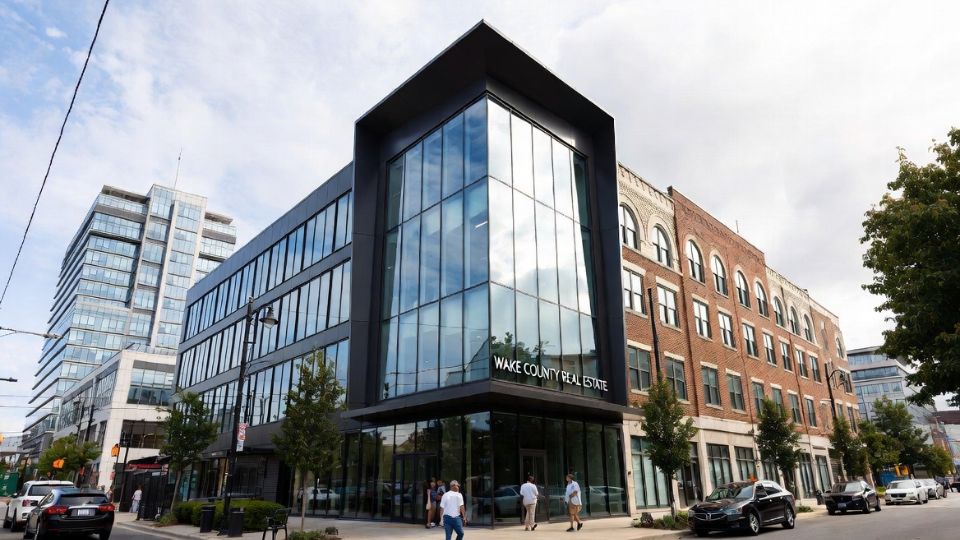
Wake County, North Carolina, stands out as a dynamic hub for real estate enthusiasts. With its blend of urban energy in Raleigh and suburban charm in areas like Cary and Apex, the market offers something for everyone. Whether you’re a first-time buyer or seasoned investor, understanding Wake County real estate can unlock exciting opportunities.

Wake County, NC Homes for Sale & Real Estate | Realtor.com®
Introduction: Navigating the Wake County Real Estate Landscape
Finding the perfect home or investment in Wake County can feel overwhelming amid shifting market trends and competitive bidding. Buyers often struggle with rising prices and limited inventory, while sellers worry about timing the market right. This guide cuts through the noise, providing practical insights, data-driven tips, and strategies to help you make informed decisions in Wake County’s thriving real estate scene.
We’ll explore current trends, top neighborhoods, buying and selling advice, and investment potential. By the end, you’ll have the tools to confidently pursue your real estate goals in this vibrant North Carolina county.
Understanding the Wake County Real Estate Market in 2025
The Wake County real estate market in 2025 shows signs of stabilization after a period of fluctuations. Home values are edging up slightly, with the median sales price hitting around $470,000 in November, up from $465,000 the previous month. However, year-over-year, prices are down about 0.76%, settling at a median of $475,000. This easing reflects a more balanced market as winter approaches, with inventory holding steady and homes taking longer to sell—about 33 days on average.
Key market drivers include Wake County’s strong job growth in tech, healthcare, and education sectors. Raleigh, the county seat, continues to attract relocators, boosting demand. Commercial real estate is also stabilizing, with opportunities in office and retail spaces drawing investors. Overall, the average home value stands at $474,088, down 2.4% from last year, but experts predict a rebound in 2026.
Short-term buyers should watch for seasonal dips, while long-term investors can capitalize on the area’s growth trajectory.
Top Neighborhoods in Wake County: Where to Live and Why
Wake County boasts diverse neighborhoods, from bustling urban spots to serene suburbs. Popular areas like Cary, Morrisville, and Apex rank highly for livability, thanks to excellent schools and amenities. In Raleigh, neighborhoods such as North Hills and Five Points offer a mix of historic charm and modern conveniences.
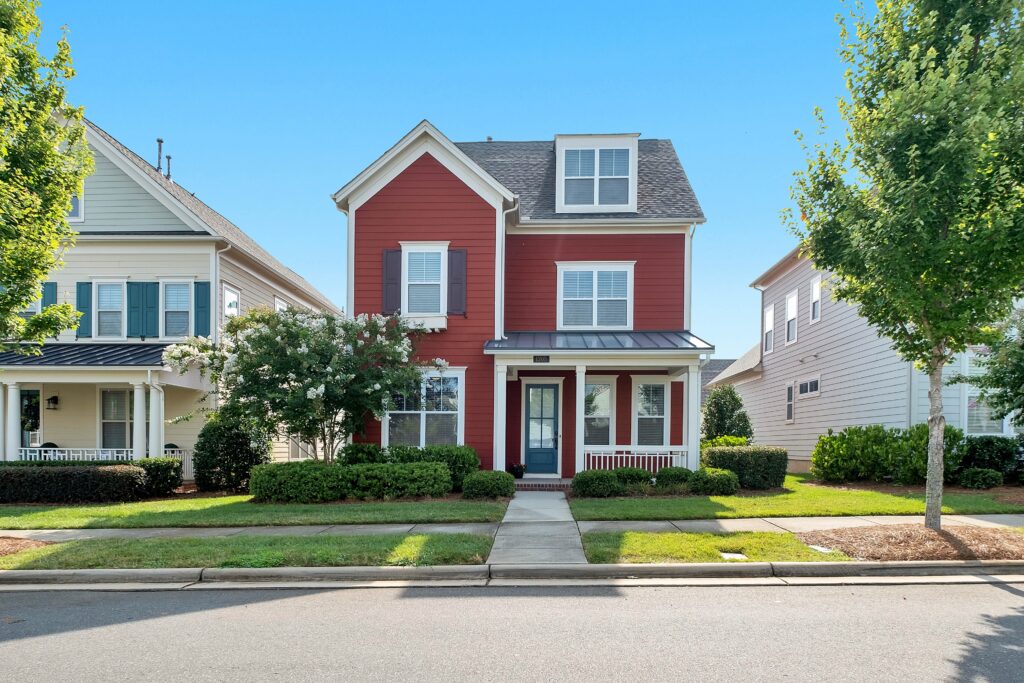
10 Best Neighborhoods in Raleigh, NC | NC Real Estate
Cary: Family-Friendly and High-Ranking
Often called one of the best places to live, Cary features neighborhoods like Amberly and Lochmere with parks, trails, and top-rated schools. Median home prices here hover around $600,000, reflecting its appeal to professionals.
Apex: Affordable Growth Hub
Apex combines small-town vibes with rapid development. Areas like Peak of Good Living boast community events and proximity to tech jobs. Homes average $550,000, making it more accessible than Raleigh’s core.
Wake Forest: Charming and Expanding
Neighborhoods such as Heritage and Hasentree in Wake Forest offer golf courses and family-oriented amenities. With median prices around $450,000, it’s ideal for those seeking space without urban hustle.
Raleigh’s Urban Gems: North Hills and Downtown
North Hills features luxury shopping and dining, with homes at $1.2 million median. Downtown Raleigh, at $650,000, appeals to young professionals with its vibrant nightlife and cultural scene.
To help you compare, here’s a table of key neighborhoods:
| Neighborhood | Median Home Price | Key Amenities | School Rating (Out of 10) | Proximity to Raleigh (Miles) |
|---|---|---|---|---|
| Cary | $600,000 | Parks, trails, shopping centers | 9 | 12 |
| Apex | $550,000 | Community events, hiking | 8.5 | 15 |
| Wake Forest | $450,000 | Golf courses, family parks | 8 | 18 |
| North Hills (Raleigh) | $1,200,000 | Luxury retail, dining | 9 | 5 |
| Downtown Raleigh | $650,000 | Nightlife, museums | 7.5 | 0 |
This comparison highlights how prices vary with amenities and location. Choose based on your lifestyle—families might prefer Cary’s schools, while urbanites lean toward Downtown.
Pros and Cons of Living in Wake County
Before diving into Wake County real estate, weigh the advantages and drawbacks.
Pros:
- Excellent Education: Top-rated schools, universities like NC State, and community colleges abound.
- Job Opportunities: Booming sectors in tech and healthcare offer high-paying roles.
- Quality of Life: Mild weather, abundant parks, and cultural attractions enhance daily living.
- Convenient Location: Easy access to airports, beaches, and mountains.
Cons:
- Traffic and Overcrowding: Rapid growth leads to congestion, especially in Raleigh.
- Higher Costs: Living expenses, including housing, are above national averages.
- Humidity and Bugs: Summers can be sticky, with occasional pest issues.
- Limited Public Transit: Reliance on cars for commuting.
These factors make Wake County ideal for many, but not all—consider your priorities.
Tips for Buying a Home in Wake County
Buying in Wake County requires preparation in a competitive market. Start by understanding local trends to avoid overpaying.
Get Your Finances in Order
Determine your budget early. Get pre-approved for a mortgage to show sellers you’re serious. Factor in closing costs, which can add 2-5% to the price.
Research and Partner with Experts
Explore neighborhoods using online tools and local realtors who know Wake County’s nuances. Inspect homes thoroughly for issues like foundation cracks.
- Steps to Buy: Secure financing, search listings, make offers with earnest money, and close.
- Common Pitfalls: Don’t skip inspections or overextend your budget.
With median prices at $475,000, aim for properties in growing areas like Apex for value.
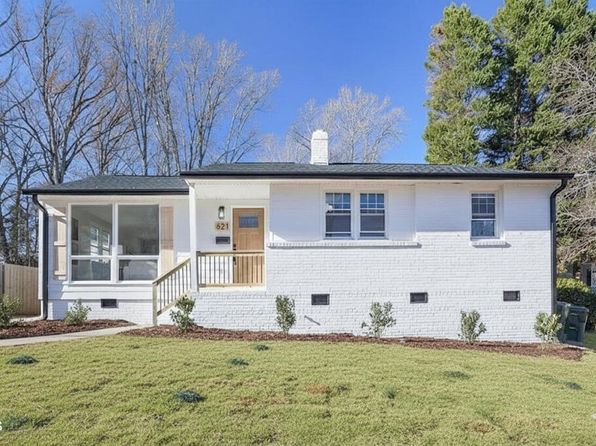
Wake County NC Real Estate – Wake County NC Homes For Sale | Zillow
Selling Your Home in Wake County: Maximizing Returns
Sellers in Wake County benefit from steady demand. Price competitively based on recent comps—homes sell for about $219 per square foot.
Stage your home to highlight features like updated kitchens. Time your listing for spring when inventory is low. Work with agents for exposure on platforms like Zillow and Redfin.
Expect 22-33 days on market, and negotiate repairs post-inspection. In a stabilizing market, realistic pricing yields quicker sales.
Investment Opportunities in Wake County Real Estate
Wake County offers robust investment potential amid growth. Residential rentals in areas like Fuquay-Varina yield strong returns due to population influx.
Commercial spaces are stabilizing, with opportunities in office parks. Affordable housing initiatives, like the county’s $5 million fund, support preservation projects.
- Hot Spots: Invest in Wake Forest for appreciation, with properties like duplexes at $275,000.
- Strategies: Focus on Opportunity Zones for tax incentives.
With median rents at $1,640, rentals provide steady income. Long-term, the area’s job boom promises solid ROI.
Conclusion: Seize Your Wake County Real Estate Opportunity
Wake County real estate in 2025 blends stability with growth, offering median prices around $475,000 and diverse neighborhoods. From buying tips to investment strategies, this guide equips you to navigate the market. Whether settling in Cary or investing in commercial spaces, act thoughtfully for success.
FAQ
What is the average home price in Wake County? The median home price is about $475,000 as of November 2025, with slight year-over-year dips but upward trends monthly.
When is the best time to buy in Wake County? Winter months like now offer less competition and potential deals, as the market eases. Spring ramps up activity.
What are property taxes like in Wake County? Taxes are reasonable, averaging around 0.8% of assessed value, supporting excellent schools and infrastructure. Check specifics for your area.