
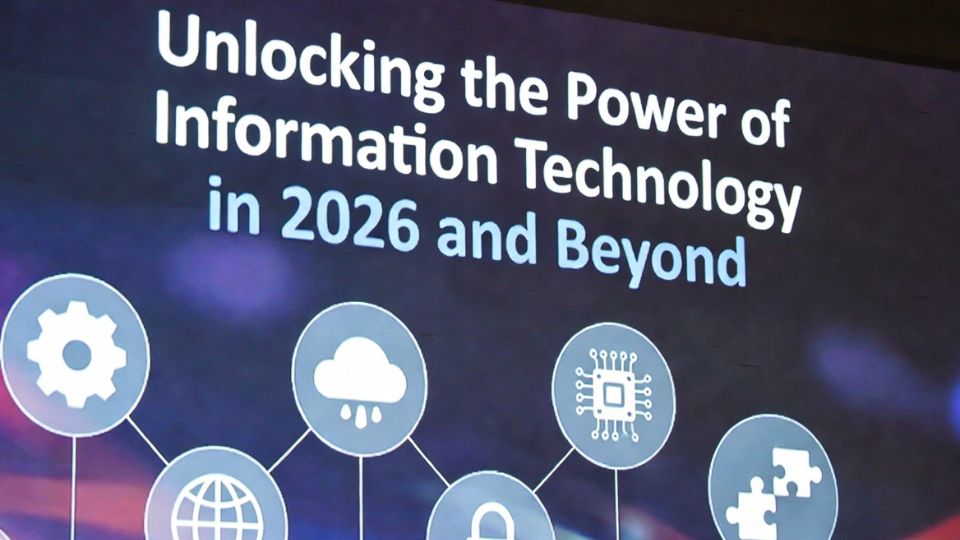
In today’s fast-paced digital world, information technology (IT) has become the backbone of nearly every industry. From streamlining business operations to enabling groundbreaking innovations, IT drives efficiency, connectivity, and growth. Yet many organizations and individuals struggle with outdated systems, cybersecurity threats, and keeping pace with rapid advancements.
The solution? Embracing modern information technology strategies that leverage cutting-edge tools like AI, cloud computing, and robust security measures. This guide explores what IT truly entails in 2025, its key components, emerging trends, career opportunities, and more—helping you navigate and thrive in this dynamic field.
What Is Information Technology?
Information technology refers to the use of computers, software, networks, and infrastructure to create, store, process, secure, and exchange electronic data. In 2025, IT encompasses everything from everyday devices like smartphones to complex enterprise systems powering global businesses.
At its core, IT bridges people and information. It includes hardware (servers and devices), software (applications and operating systems), databases, and telecommunications. Unlike traditional tools, modern IT integrates advanced technologies to handle massive data volumes efficiently.
IT plays a vital role in daily life and business. It enables remote work, e-commerce, healthcare diagnostics, and entertainment streaming. Without robust IT systems, modern society would grind to a halt.
Key Components of Information Technology
Understanding IT starts with its foundational elements. These components work together to form reliable systems.
Hardware and Infrastructure
Hardware includes physical devices like computers, servers, routers, and storage units. In 2025, edge computing devices process data closer to the source for faster performance.
Infrastructure supports these tools, including data centers and networking equipment. Cloud providers like AWS and Azure dominate, offering scalable resources.
Software and Applications
Software powers functionality. Operating systems (Windows, Linux) manage hardware, while applications handle specific tasks.
Development tools and programming languages (Python, Java) create custom solutions. Open-source software reduces costs and fosters innovation.
Networking and Data Management
Networks connect devices via the internet, LANs, or WANs. 5G and fiber optics enable high-speed connectivity.
Data management involves databases (SQL, NoSQL) and big data tools for storing and analyzing information.
Cybersecurity Essentials
Security protects against threats. Firewalls, encryption, and AI-driven monitoring are standard. Zero-trust models verify every access attempt.

Emerging Trends in Information Technology for 2025
The IT landscape evolves rapidly. Here are the top trends shaping 2025.
Artificial Intelligence and Machine Learning
AI integrates into everything, from chatbots to predictive analytics. Generative AI creates content, while agentic AI handles autonomous tasks.
Machine learning improves decision-making in healthcare and finance.
Cloud and Edge Computing
Cloud adoption surges for flexibility and cost savings. Hybrid models combine public and private clouds.
Edge computing processes data locally, reducing latency for IoT and real-time applications.
Cybersecurity Advancements
Threats grow with AI-powered attacks. Preemptive cybersecurity uses AI to predict and block risks.
Quantum-resistant encryption prepares for future computing breakthroughs.
Other Notable Trends
- Quantum Computing: Solves complex problems faster.
- Sustainable IT: Energy-efficient systems reduce environmental impact.
- Extended Reality (XR): AR/VR for training and collaboration.
Information Technology vs. Computer Science: A Comparison
Many confuse information technology with computer science, but they differ significantly.
| Aspect | Information Technology (IT) | Computer Science (CS) |
|---|---|---|
| Focus | Application and management of existing technologies | Theory, design, and development of new technologies |
| Core Skills | Networking, cybersecurity, system administration | Programming, algorithms, data structures, math |
| Typical Roles | IT support, network engineer, cybersecurity analyst | Software developer, data scientist, AI researcher |
| Education Emphasis | Practical, business-oriented | Theoretical, research-heavy |
| Career Outlook | Stable demand for maintenance and implementation | High growth in innovation and development |
| Salary Potential (Median) | Competitive, often $90K–$120K | Higher in specialized roles, $100K+ |
IT is more hands-on and business-focused, while CS dives deeper into creating technology from scratch.
Pros and Cons of a Career in Information Technology
Pursuing IT offers rewards but comes with challenges.
Pros:
- High Demand: Jobs grow faster than average, with strong job security.
- Competitive Salaries: Entry-level roles start strong, with six figures common mid-career.
- Variety: Roles span support, security, cloud, and management.
- Flexibility: Many positions offer remote work.
- Impactful Work: Directly improve business efficiency and security.
Cons:
- Constant Learning: Rapid changes require ongoing training.
- High Stress: Dealing with outages or breaches can be intense.
- Shift Work: Some roles involve on-call duties.
- Cyber Threats: Responsibility for protecting sensitive data.
- Competition: Entry-level positions can be competitive.
Overall, the benefits outweigh the drawbacks for those passionate about technology.
Careers in Information Technology
IT offers diverse paths. Top roles in 2025 include:
- Cybersecurity Analyst: Protects systems from threats.
- Cloud Architect: Designs scalable cloud solutions.
- Data Analyst: Interprets data for insights.
- Network Administrator: Manages connectivity.
- IT Project Manager: Oversees technology implementations.
Skills like problem-solving, communication, and certifications (CompTIA, CISSP) boost employability. The field projects strong growth through 2034.
Conclusion
Information technology remains a cornerstone of progress in 2025, powering innovation while presenting opportunities for efficiency and growth. By understanding its components, trends, and career potential, you can harness IT to solve real-world challenges. Whether upgrading your skills or entering the field, now is the time to embrace this transformative domain.
FAQ
What exactly does information technology include?
Information technology covers hardware, software, networks, data management, and cybersecurity—everything needed to handle electronic information effectively.
How is AI changing information technology in 2025?
AI automates tasks, enhances security, and enables smarter decision-making, integrating into cloud, analytics, and daily operations.
Is a degree in information technology worth it?
Yes, it leads to high-demand, well-paying jobs with growth potential, especially with certifications and practical experience.