
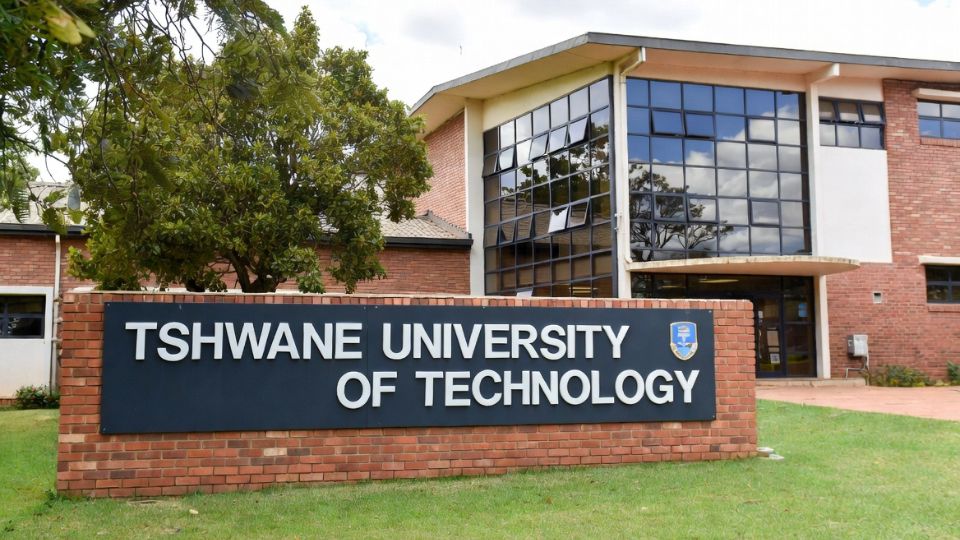
Choosing the right university can feel overwhelming, especially with so many options in South Africa. Many prospective students struggle to find an institution that combines hands-on training, strong industry connections, and affordable access to higher education.
Tshwane University of Technology (TUT) offers a clear solution. As one of South Africa’s leading universities of technology, TUT emphasizes vocational and practical skills that prepare graduates for real-world jobs. With over 60,000 students across multiple campuses, it stands as the largest residential higher education institution in the country, making quality technical education accessible to diverse learners.
Why Choose Tshwane University of Technology?
TUT traces its roots to a 2004 merger of three technikons, evolving into a modern university focused on innovation and employability.
Today, it spans nine campuses in four provinces, including key locations in Pretoria, Soshanguve, Ga-Rankuwa, eMalahleni, Mbombela, and Polokwane. This wide reach allows students from various backgrounds to access programs without relocating far from home.
The university’s motto—”making knowledge work”—reflects its commitment to applied learning. Unlike traditional research-heavy universities, TUT prioritizes diplomas, advanced diplomas, and degrees that align directly with industry needs.
A Brief History and Mission
Established in January 2004, TUT quickly grew into a powerhouse of technical education. It serves a diverse student body, including many first-generation university attendees.
The mission focuses on producing graduates who contribute to South Africa’s economic growth through technology-driven solutions. Recent initiatives, like research days and hackathons in 2025, highlight TUT’s push toward innovation in fields such as AI and sustainable development.
Faculties and Popular Programs at Tshwane University of Technology
TUT organizes its offerings into seven faculties, each specializing in practical disciplines.
- Engineering and the Built Environment: Covers civil, electrical, and mechanical engineering.
- Science: Includes biotechnology, chemistry, and environmental sciences.
- Information and Communication Technology (ICT): Features software development, networking, and cybersecurity.
- Arts and Design: Offers performing arts, fashion, and journalism—UNESCO recognizes its journalism department as a potential center of excellence in Africa.
- Economics and Finance: Provides accounting, entrepreneurship, and management.
- Management Sciences: Focuses on business administration, hospitality, and tourism.
- Humanities: Includes education, public relations, and languages.
Programs range from three-year national diplomas to bachelor’s degrees, master’s, and doctorates. Many include work-integrated learning (WIL), where students gain paid experience in industry.
Popular choices include National Diplomas in Engineering, Bachelor of Technology degrees, and emerging fields like data science.
Campuses and Facilities
TUT’s multi-campus setup ensures specialized environments. For example:
- Pretoria campuses host arts and science programs.
- Soshanguve focuses on engineering.
- Regional sites like Polokwane and eMalahleni serve local communities.
Facilities include modern libraries, sports grounds, swimming pools, and well-maintained residences. Students often praise the clean, safe environment and supportive lecturers.
Admissions Process at Tshwane University of Technology
Applying to TUT is straightforward and fully online.
Prospective students submit applications through the official website (tut.ac.za). Key requirements include:
- A National Senior Certificate (NSC) with appropriate subject passes.
- Minimum Admission Point Score (APS) varying by program.
- Specific subjects for technical fields, like math and science for engineering.
The acceptance rate hovers around 89%, making it more accessible than highly selective universities. Applications for 2026 are open, with late applications handled online only—no walk-ins.
International students need study permits and equivalent qualifications. Financial aid options, including NSFAS, help cover tuition for eligible South Africans.
Tshwane University of Technology vs. Other Top South African Universities
TUT stands out for its technology focus, differing from research-oriented institutions.
Here’s a comparison table with nearby competitors:
| University | Focus Type | Student Enrollment | Global Ranking (approx.) | Strengths | Acceptance Rate |
|---|---|---|---|---|---|
| Tshwane University of Technology | Vocational/Technology | 60,000+ | 1400-1700 | Hands-on training, industry links, affordability | ~89% |
| University of Pretoria | Research/Comprehensive | ~50,000 | Top 500 | Strong research, academic prestige | Lower (~50%) |
| University of Johannesburg | Comprehensive/Applied | ~50,000 | Top 600 | Urban vibe, diverse programs | Moderate |
| University of the Witwatersrand (Wits) | Research-Heavy | ~40,000 | Top 300 | High academic standards, innovation | Very selective |
TUT excels in practical skills and employability, while others like Wits and UP rank higher in global research metrics.
Pros and Cons of Studying at Tshwane University of Technology
Like any institution, TUT has strengths and challenges. Here’s a balanced list based on student feedback:
Pros:
- Practical, job-ready education with strong WIL components.
- Large, diverse community fostering cultural exchange.
- Affordable tuition and multiple campuses for accessibility.
- Excellent facilities, including libraries and sports amenities.
- Supportive lecturers and a clean, respectful campus environment.
Cons:
- Frequent student protests can disrupt the academic calendar.
- Large class sizes in popular programs.
- Occasional administrative or infrastructure issues, like past utility challenges.
- Less emphasis on pure research compared to top-ranked universities.
Overall, many alumni recommend TUT for its role in building successful careers.
Student Life and Career Opportunities
Life at TUT is vibrant. Residences are neat and secure, with shuttle buses connecting campuses.
Clubs, sports, and events keep students engaged. The university hosts hackathons, research days, and festivals, promoting innovation.
Graduates benefit from high employability in technical fields. Partnerships with industry giants ensure internships and jobs in engineering, IT, and business.
Conclusion
Tshwane University of Technology remains a top choice for students seeking practical, impactful education in South Africa. Its focus on technology, accessibility, and real-world preparation sets it apart in a competitive landscape.
Whether you’re aiming for a diploma in engineering or a degree in arts, TUT equips you with skills that employers value. Explore your options today and take the first step toward a future-ready career.
FAQ
1. What is the acceptance rate at Tshwane University of Technology?
TUT has a relatively high acceptance rate of around 89%, depending on program demand and applicant qualifications. Meeting minimum requirements significantly boosts your chances.
2. How many campuses does Tshwane University of Technology have?
TUT operates nine campuses across Gauteng, Mpumalanga, Limpopo, and North West provinces. Main sites include Pretoria, Soshanguve, and regional locations like eMalahleni and Polokwane.
3. What are the most popular programs at Tshwane University of Technology?
Engineering, ICT, business management, and arts programs are among the most sought-after. The university specializes in vocational diplomas and technology degrees with practical components.