
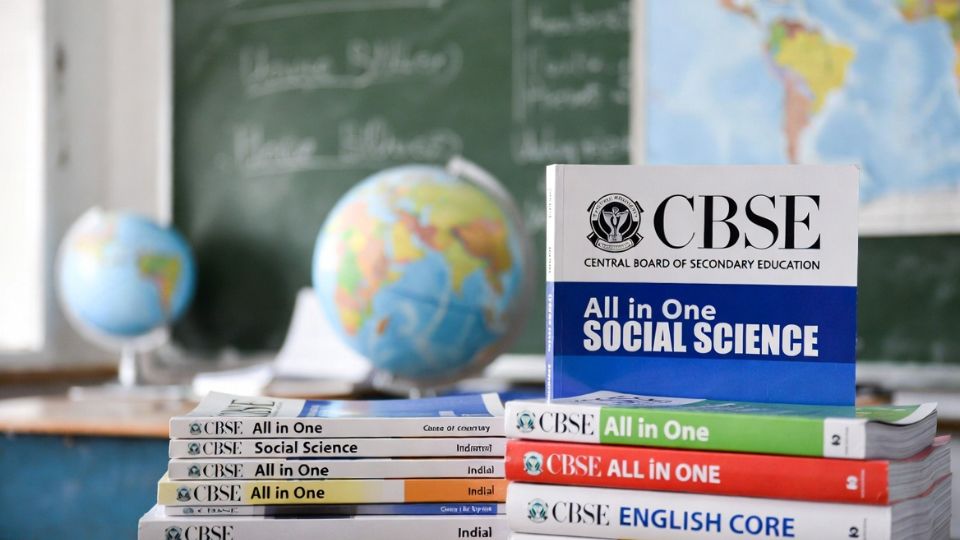
Navigating the world of education boards in India can feel like a maze for parents and students alike. With so many options, it’s easy to get confused about which one best suits your child’s future. This comprehensive guide shines a light on the Central Board of Secondary Education (CBSE), breaking down its structure, benefits, and how it stacks up against alternatives to help you make an informed choice.
What is the Central Board of Secondary Education?
The Central Board of Secondary Education is a national-level education board in India that oversees public and private schools. Established to standardize schooling across the country, it plays a pivotal role in shaping young minds.
History and Establishment
CBSE traces its roots back to 1962, when it was set up by the Government of India. It evolved from earlier boards like the Uttar Pradesh Board of High School and Intermediate Education. Today, it manages over 28,000 affiliated schools in India and abroad.
This growth reflects India’s push for uniform education standards. Over the decades, CBSE has adapted to modern needs, incorporating technology and holistic learning.
Objectives and Mission
CBSE’s core mission is to provide quality education that fosters intellectual, social, and cultural growth. It aims to develop well-rounded individuals ready for global challenges.
Key focuses include promoting innovation, equity, and excellence. The board emphasizes inclusive education for diverse learners, including those with special needs.
The CBSE Curriculum: A Foundation for Success
CBSE’s curriculum is designed to be student-friendly and aligned with national goals. It follows guidelines from the National Council of Educational Research and Training (NCERT).
Key Features of the Syllabus
The syllabus is structured yet flexible, covering core subjects from primary to senior secondary levels. It integrates life skills, values, and environmental awareness.
Short paragraphs keep lessons engaging. Teachers use interactive methods to encourage critical thinking over rote memorization.
Subjects Offered at Different Levels
In secondary classes (9-10), students study English, a second language, mathematics, science, and social science. Electives like computer science add variety.
For senior secondary (11-12), streams include science, commerce, and humanities. Options range from physics and biology to economics and psychology, allowing personalization.
This setup prepares students for higher education and careers. Boldly, CBSE curriculum emphasizes practical applications, like lab work in sciences.
Examinations and Assessment in CBSE
CBSE conducts board exams for classes 10 and 12, which are crucial milestones. These exams test comprehensive understanding.
Continuous and Comprehensive Evaluation (CCE)
From early classes, CBSE uses CCE to assess students holistically. This includes formative assessments, projects, and summative exams.
It reduces exam stress by distributing evaluation throughout the year. Parents appreciate this balanced approach.
Board Exams: What to Expect
Class 10 exams cover all core subjects, while class 12 focuses on chosen streams. Results are declared online for easy access.
Preparation tips include regular practice and using CBSE sample papers. High scores open doors to top colleges.
CBSE Affiliations: How Schools Join the Network
Affiliation with CBSE ensures schools meet high standards in infrastructure, faculty, and curriculum. The process involves applications, inspections, and approvals.
Benefits for Affiliated Schools
Schools gain national recognition and access to resources like training programs. Students benefit from a standardized education transferable across states.
Overseas CBSE schools cater to Indian expatriates, maintaining cultural ties.
Challenges in Affiliation
New schools must invest in facilities like libraries and labs. Compliance with norms ensures quality but can be demanding.
Comparing CBSE with Other Boards: Which One Fits?
Choosing between boards depends on your child’s strengths and goals. Here’s a detailed comparison.
| Aspect | CBSE | ICSE | State Boards |
|---|---|---|---|
| Curriculum Focus | Structured, science and math-oriented; NCERT-based. | Comprehensive, emphasis on English, arts, and analytical skills. | Varies by state; often includes local language and culture. |
| Medium of Instruction | English or Hindi; flexible. | Primarily English. | Regional languages common. |
| Exam Difficulty | Moderate; prepares for competitive exams like JEE/NEET. | Tougher, detailed syllabus. | Generally easier, focused on state-level tests. |
| Recognition | National and international; ideal for mobility. | Strong in India, good for global pursuits. | Limited to state; may require equivalence for out-of-state moves. |
| Extracurriculars | Balanced, with sports and arts. | High emphasis on holistic development. | Varies; often less structured. |
This table highlights key differences. CBSE suits families who move frequently, while ICSE appeals to those seeking depth.
Pros and Cons of the Central Board of Secondary Education
Like any system, CBSE has strengths and weaknesses. Weigh them carefully.
Pros
- National Uniformity: Easy transfers between schools across India.
- Competitive Edge: Aligns with entrance exams for engineering and medicine.
- Holistic Approach: Includes life skills and values education.
- International Reach: Affiliated schools worldwide for global families.
- Resource Availability: Free online materials and teacher training.
Cons
- Exam Pressure: High-stakes boards can stress students.
- Limited Creativity: More focus on core subjects than arts.
- Large Syllabus: Can feel overwhelming for some learners.
- Rote Learning Tendency: Some teaching methods emphasize memorization.
- Less Regional Focus: May overlook local cultures compared to state boards.
Overall, pros often outweigh cons for ambitious students.
Resources and Support from CBSE
CBSE offers extensive support for stakeholders. The official website provides syllabi, circulars, and e-learning tools.
Parents can access result portals and helplines. Teachers benefit from workshops on innovative pedagogy.
Students find sample papers, e-books, and career guidance. Initiatives like skill education programs prepare them for jobs.
Conclusion
The Central Board of Secondary Education stands as a pillar of Indian schooling, offering a balanced, nationally recognized path to success. Whether you’re a parent planning your child’s future or a student navigating options, CBSE’s structured approach can unlock opportunities. Evaluate your needs against its features to decide if it’s the right fit.
FAQ
What is the Central Board of Secondary Education?
CBSE is India’s national education board managing school curricula, exams, and affiliations for over 28,000 institutions. It ensures standardized, quality education from primary to senior secondary levels.
How does CBSE differ from ICSE?
CBSE has a concise, exam-oriented syllabus focusing on science and math, while ICSE offers a broader, detailed curriculum with emphasis on English and analytical skills. CBSE is better for competitive exams; ICSE for holistic development.
How can a school get affiliated with CBSE?
Schools apply online, meet infrastructure norms, and undergo inspections. Approval grants access to CBSE’s resources and national status.